As our second post for the SMURF project, we were asked to present our organization, history, and core objectives. However, these past few days, I cannot help but reflect on the harrowing reality we are currently witnessing in our region.
At 42, having spent over two decades fearing a catastrophic wildfire every single summer in the Sierra Oeste de Madrid, watching helicopters head south and climbing up to the balcony with a knot in my stomach was already a painful routine. But I never imagined seeing my own town evacuated, or watching homes and barns engulfed in flames.
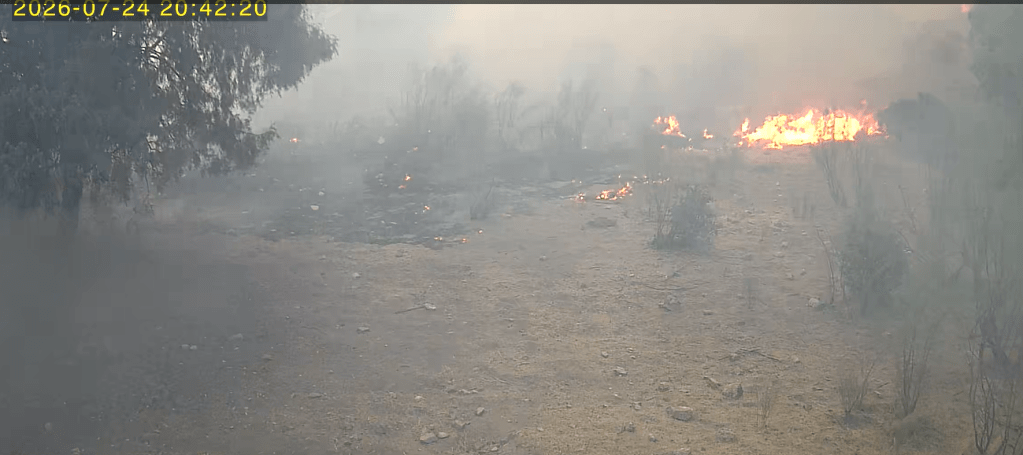
Through the trail cameras of local hunters, we watched our family’s holm oak forest (encinar) burn. This land has been an essential pillar of our heritage for nearly two centuries. Yet, amid the distress, a profound sense of luck prevails: it could have been far worse. Though access is still restricted, initial observations suggest a low-intensity surface fire across most of our property. We await confirmation once we can safely enter the grounds.
This personal crisis underlines precisely why our local initiative, Asociación Forestal Chapinera de los Nietos de Chencho, exists. In Mediterranean environments, active forest stewardship is not merely an option; it is a matter of survival. Decades of land abandonment and fragmented ownership have turned unmanaged plots into heavy fuel loads, exposing small private forest holdings to extreme wildfire threats.
Our mission as a family-rooted association is to honor our legacy through sustainable management, clearing brush, and preserving the resilience of our woodland. Active, small-scale forestry transforms hazardous biomass into a protective barrier, keeping rural landscapes alive and functional.
Wildfires are a brutal reminder of the fragile bond between rural communities and their environment. By caring for our small forest plots today, we are not just preserving trees—we are defending our village, our roots, and our future against the flames.


Deja un comentario